The Return to High-End Print: When Paper Became Disruptive Tech
The Return to High-End Print: When Paper Became Disruptive Tech
Why a £12 business card commands more attention than a £50,000 digital presentation.
Why a £12 business card commands more attention than a £50,000 digital presentation.
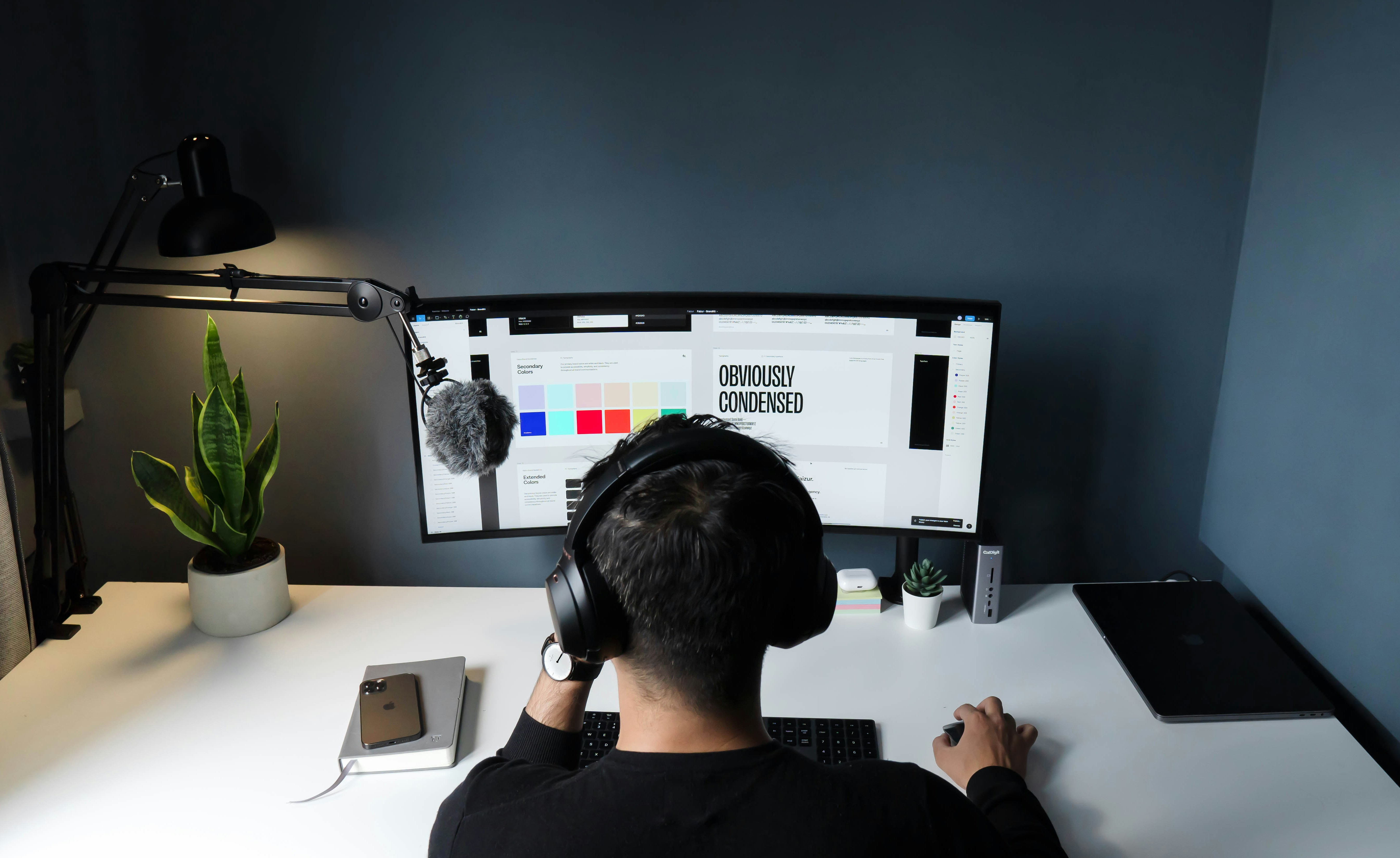
You're in a Zoom pitch meeting. Everyone's screened out.
Client's checking email. You're sharing slides. Someone's kid walks through the background. The dog barks. Connection drops. "Can you see my screen?"
Now imagine this:
You meet in person. Mid-conversation, you hand them something.
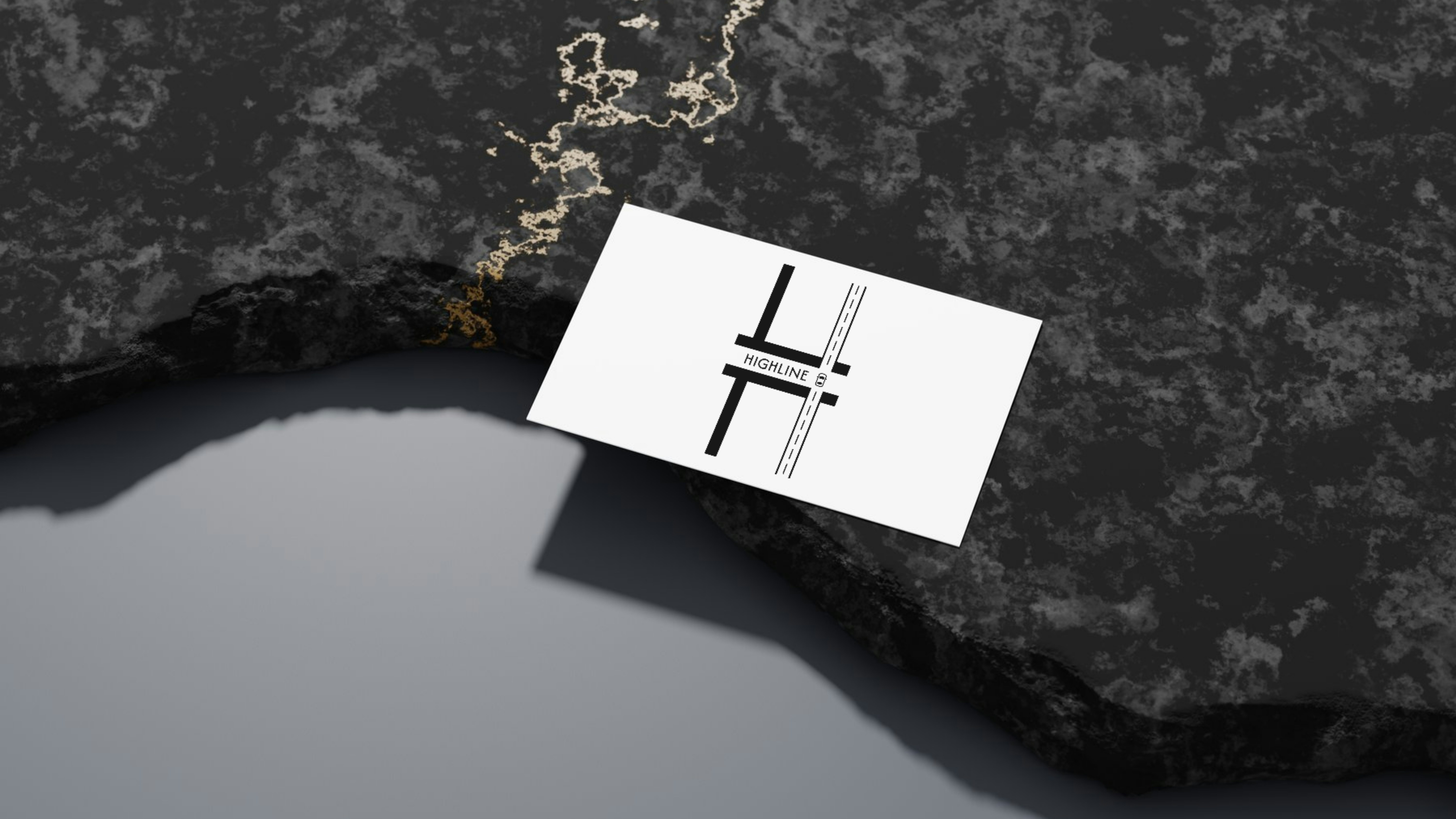
330gsm G.F Smith Colorplan. Hot foil stamped. Edges painted. Weighs something in the hand.
The room goes quiet.
They stop talking. They actually look at it. They touch it. They turn it over. They comment on the weight, the finish, the craft.
A piece of paper just did what your entire digital presentation couldn't: captured attention.
Why Physical Print Works in 2026
Digital is abundant. You receive 200 emails daily. 50 LinkedIn messages. Endless PDFs you'll never open.
Physical is scarce. You might receive one piece of high-quality print this month.
Scarcity creates attention.
But it's not just scarcity. It's sensory.
G.F Smith Colorplan Adriatic (the blue-green everyone uses now) has a texture you can feel. Cotton fibres visible in the surface. When you hold it, you know immediately it's not cheap stock.
Mohawk Superfine has a subtle eggshell finish. Catches light differently than coated stock. Feels substantial. 350gsm stock has weight that communicates investment.
Fedrigoni Sirio (the pearlescent range) shifts colour as you rotate it. Iridescent finish creates movement. Impossible to replicate digitally.
These aren't papers. They're experiences.
The Economics of Attention
Here's the maths:
Digital brochure:
Production cost: £500
Sent to: 1,000 people
Actually opened: 120 (12%)
Actually read: 30 (3%)
Cost per genuine engagement: £16.67
Printed brochure on premium stock:
Production cost: £12 each x 50 = £600
Given to: 50 people (in person)
Actually engaged with: 50 (100%)
Actually kept: 40 (80%)
Cost per genuine engagement: £12
Print is cheaper per actual attention minute.
What Makes Print Disruptive Now
The word "disruptive" usually means technology making something obsolete.
In 2026, it's reversed.
Print disrupts digital-first meetings because:
It's unexpected. Nobody hands out physical materials anymore. Doing so signals intention and investment.
It's non-deletable. Can't swipe away. Can't close the tab. It exists in physical space until someone actively throws it away.
It's shareable differently. Gets passed around the table. "Feel this stock." "Look at this foiling." Creates conversation.
It proves expense. Everyone knows premium print is expensive. The object itself communicates "we invested in this conversation."
What to Print (and What to Skip)
Worth printing:
Business cards (if premium stock and finishing)
Pitch decks for major clients (12-page maximum, stunning production)
Brand guidelines for stakeholders (reference material they'll keep)
Product brochures for considered purchases (property, luxury goods)
Event invitations (creates anticipation)
Not worth printing:
Anything over 20 pages (too expensive, too heavy)
Content that changes frequently (print is permanent)
Mass distribution materials (economics don't work)
Anything you're not proud to hand someone personally
The Actual Power
Physical print in 2026 isn't about information delivery. PDFs deliver information fine.
It's about creating a moment.
That moment when someone receives something tangible. When they feel the weight. When they notice the finishing. When they realise you invested in this interaction.
Digital can't buy that moment. Only paper can.
In a world where everything's a screen, a beautifully printed piece is the most disruptive technology available.
And it runs on trees, not electricity.
You're in a Zoom pitch meeting. Everyone's screened out.
Client's checking email. You're sharing slides. Someone's kid walks through the background. The dog barks. Connection drops. "Can you see my screen?"
Now imagine this:
You meet in person. Mid-conversation, you hand them something.
330gsm G.F Smith Colorplan. Hot foil stamped. Edges painted. Weighs something in the hand.
The room goes quiet.
They stop talking. They actually look at it. They touch it. They turn it over. They comment on the weight, the finish, the craft.
A piece of paper just did what your entire digital presentation couldn't: captured attention.
Why Physical Print Works in 2026
Digital is abundant. You receive 200 emails daily. 50 LinkedIn messages. Endless PDFs you'll never open.
Physical is scarce. You might receive one piece of high-quality print this month.
Scarcity creates attention.
But it's not just scarcity. It's sensory.
G.F Smith Colorplan Adriatic (the blue-green everyone uses now) has a texture you can feel. Cotton fibres visible in the surface. When you hold it, you know immediately it's not cheap stock.
Mohawk Superfine has a subtle eggshell finish. Catches light differently than coated stock. Feels substantial. 350gsm stock has weight that communicates investment.
Fedrigoni Sirio (the pearlescent range) shifts colour as you rotate it. Iridescent finish creates movement. Impossible to replicate digitally.
These aren't papers. They're experiences.
The Economics of Attention
Here's the maths:
Digital brochure:
Production cost: £500
Sent to: 1,000 people
Actually opened: 120 (12%)
Actually read: 30 (3%)
Cost per genuine engagement: £16.67
Printed brochure on premium stock:
Production cost: £12 each x 50 = £600
Given to: 50 people (in person)
Actually engaged with: 50 (100%)
Actually kept: 40 (80%)
Cost per genuine engagement: £12
Print is cheaper per actual attention minute.
What Makes Print Disruptive Now
The word "disruptive" usually means technology making something obsolete.
In 2026, it's reversed.
Print disrupts digital-first meetings because:
It's unexpected. Nobody hands out physical materials anymore. Doing so signals intention and investment.
It's non-deletable. Can't swipe away. Can't close the tab. It exists in physical space until someone actively throws it away.
It's shareable differently. Gets passed around the table. "Feel this stock." "Look at this foiling." Creates conversation.
It proves expense. Everyone knows premium print is expensive. The object itself communicates "we invested in this conversation."
What to Print (and What to Skip)
Worth printing:
Business cards (if premium stock and finishing)
Pitch decks for major clients (12-page maximum, stunning production)
Brand guidelines for stakeholders (reference material they'll keep)
Product brochures for considered purchases (property, luxury goods)
Event invitations (creates anticipation)
Not worth printing:
Anything over 20 pages (too expensive, too heavy)
Content that changes frequently (print is permanent)
Mass distribution materials (economics don't work)
Anything you're not proud to hand someone personally
The Actual Power
Physical print in 2026 isn't about information delivery. PDFs deliver information fine.
It's about creating a moment.
That moment when someone receives something tangible. When they feel the weight. When they notice the finishing. When they realise you invested in this interaction.
Digital can't buy that moment. Only paper can.
In a world where everything's a screen, a beautifully printed piece is the most disruptive technology available.
And it runs on trees, not electricity.