Typography as Art: When Letters Stop Being Text and Become the Entire Experience
Typography as Art: When Letters Stop Being Text and Become the Entire Experience
Readable is safe. Expressive is memorable. And in 2026, the brands making people stop scrolling aren't the ones with the cleanest sans-serifs. They're the ones treating type like sculpture.
Readable is safe. Expressive is memorable. And in 2026, the brands making people stop scrolling aren't the ones with the cleanest sans-serifs. They're the ones treating type like sculpture.
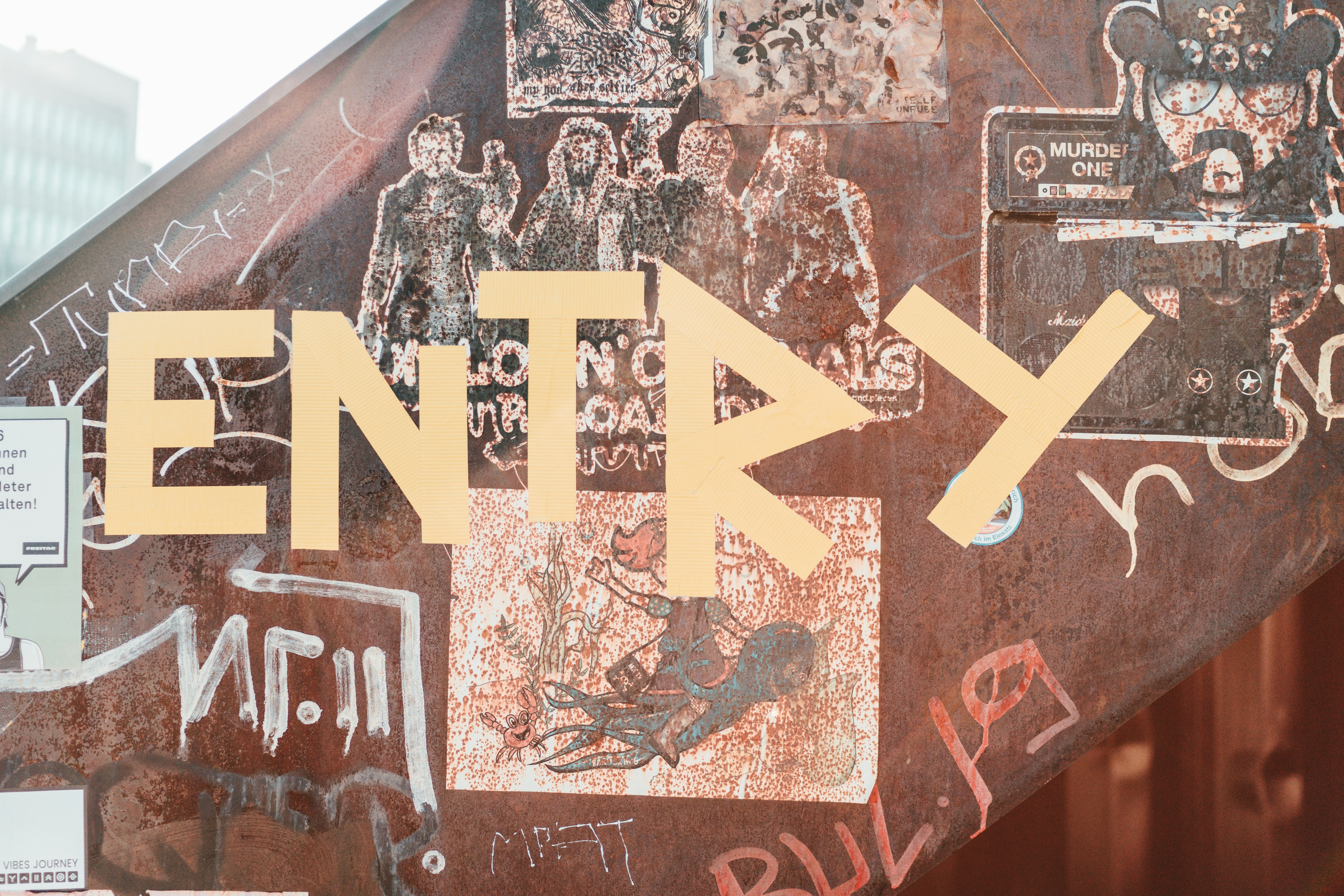
Open any fashion magazine right now. Vogue. Dazed. i-D.
The typography isn't just carrying the message. It is the message.
Letters that morph. Words that break apart. Type that moves, breathes, refuses to sit still. It's not illegible, exactly. But it's not trying to be easy, either.
This is maximalist typography. And it's everywhere.
Not just in fashion. Tech launches. Luxury campaigns. Album covers. Start-up branding. The brands pushing culture forward have stopped treating type as a utility and started treating it as an art form.
And the result? Work that doesn't just communicate. Work that commands attention.
Why Readability Stopped Being Enough
Let's talk about what happened to "safe" typography.
For decades, the rule was simple: good typography is invisible. It serves the content. It doesn't distract. Clean. Legible. Functional.
This made sense in a world where attention was abundant and competition was limited. Your job was to make the message easy to consume.
But we're not in that world anymore.
Now, attention is the scarcest resource. Everyone's fighting for the same three seconds of someone's scroll. And in that environment, "easy to read" isn't enough. You need to be impossible to ignore.
Enter expressive typography.
Type that doesn't just say something. Type that feels like something. Type that you notice before you even process the words.
This isn't about making things hard to read for the sake of it. It's about using letterforms as visual language. The shape, the weight, the spacing, the movement, all of it communicates before a single word is processed.
And in categories where differentiation is hard, fashion, tech, luxury, this is how brands stand out.
The Maximalist Type Movement: Where It Came From
Maximalist typography isn't new. It's cyclical.
In the '60s and '70s, psychedelic posters used type as illustration. Letters melted, warped, and twisted. Readability was secondary to impact.
In the '90s, rave culture and early web design did the same. Chaotic, layered, experimental. Type became texture.
Now it's back. But refined.
What makes the current wave different is the craft. The technology available, variable fonts, motion graphics, 3D rendering, allows designers to push type further whilst maintaining some level of control.
You can have letters that shift weight dynamically. Type that responds to scroll. Letterforms that exist in three dimensions. It's expressive, but it's intentional.
And brands are using it to create identities that feel alive.
Where This Works (and Where It Doesn't)
Let's be clear. Expressive typography isn't universal.
If you're a law firm, probably not. If you're a hospital, definitely not. If you need to communicate complex information clearly, this isn't the approach.
But if you're in fashion, tech, music, luxury, or any category where emotion and identity matter more than information, this is your playground.
Fashion brands use it to signal avant-garde thinking. To position themselves as culture-makers, not just product sellers.
Tech brands use it to look human. To break the sterile, corporate aesthetic that dominates the industry and show personality.
Luxury brands use it to create exclusivity. To make their visual language feel premium not through polish, but through artistry.
Music and entertainment brands use it because their entire identity is about feeling, not just function.
The rule: if your brand's job is to make people feel something before they think something, expressive typography is worth exploring.
How Fashion Brands Are Leading This
Let's start with fashion, because this is where the trend is most pronounced.
Look at Balenciaga's recent campaigns. The type isn't just sitting there. It's distorted, stretched, layered. Sometimes it's barely readable. But you feel it. Bold. Confrontational. Unapologetic.
Or look at Maison Margiela. Their typographic system is deconstructed. Letters overlap. Words break mid-line. It's intentionally fragmented. And that fragmentation is the brand. It communicates their design philosophy, deconstruction, reassembly, challenging norms, without a single product shot.
In fashion, type has become the hero.
Not the model. Not the product. The letterforms themselves. Because in a category where everyone has access to the same photographers, the same models, the same production budgets, typography is where you can actually differentiate.
And it works. These brands don't look like anyone else. Not because of their colour palette or their logo. Because of how they use type.
How Tech Brands Are Using Expressive Type to Feel Human
Now let's talk about tech, because this is where the shift is most surprising.
For years, tech branding was all about simplicity. Clean sans-serifs. Lots of white space. Minimal. Almost sterile.
But as AI, crypto, and web3 brands entered the market, they needed to differentiate from the "boring tech" aesthetic. They needed to feel innovative, not institutional.
Enter expressive typography.
Look at Worldcoin's identity. The type is geometric but fluid. It shifts. It feels alive. It's not trying to look "professional" in the traditional sense. It's trying to look like the future.
Or look at how Figma uses type in their brand campaigns. Playful. Dynamic. The letters interact with the design. They're not just labelling things, they're part of the composition.
Compare that to the enterprise tech giants. Microsoft. Oracle. IBM. Their type is functional, yes. But it's forgettable. It doesn't communicate innovation. It communicates compliance.
The new wave of tech brands realised: if you want to look innovative, you can't use the same typography as everyone else.
The Dubai Luxury Market and Expressive Type
Let's talk about how this translates to the UAE.
Dubai's luxury market has always valued boldness. This isn't a market that rewards restraint. If it doesn't make an impact, it doesn't get noticed.
And expressive typography fits that perfectly.
Look at how luxury retail in Dubai Mall, City Walk, and DIFC is evolving. The signage isn't just functional anymore. It's sculptural. Three-dimensional letterforms. Gold-plated type. Illuminated letters that shift depending on viewing angle.
This is typography as experience. You don't just read the brand name. You feel its presence.
Brands operating in this market are using type to signal exclusivity not through polish, but through craft.
Anyone can have a clean sans-serif. But custom, sculptural, expressive type? That signals investment. Artistry. A brand that's serious about standing out.
The Technical Side: How This Is Made
Let's talk about how expressive typography actually gets built.
Variable fonts are the foundation. These are fonts where weight, width, slant, and other properties can be adjusted dynamically. Designers can create type that morphs, responds to interaction, or adapts to context.
3D type rendering allows letterforms to exist in space. Not flat on a page, but with depth, lighting, shadow. This is what you see in luxury campaigns where the type feels tangible.
Motion design brings type to life. Letters that animate on scroll. Words that assemble on screen. Type that reacts to user interaction. This is critical for digital-first brands where static isn't enough.
Custom lettering is where the real artistry happens. Not selecting a typeface, but designing letterforms from scratch. This is expensive. Time-consuming. But it's also how you create something no one else has.
The tools have democratised access. Figma, After Effects, Cinema 4D, Blender. But the craft still requires skill, taste, and a deep understanding of how type works at a structural level.
The Balance: Expression vs. Communication
Here's where most brands go wrong with expressive typography.
They prioritise aesthetics over function. They make something that looks incredible in a portfolio but doesn't actually work in practice.
The best expressive typography is still communicating, just differently.
It's not about making things illegible. It's about using the form of the letters to reinforce the message.
If you're a brand about disruption, your type should feel disruptive. If you're about elegance, your type should feel elegant. If you're about energy, your type should feel energetic.
The expression isn't decoration. It's communication through form.
And critically, it needs to work across applications. A logo that's expressive but doesn't scale down to mobile? Doesn't work. Type that's beautiful as a static image but breaks in motion? Doesn't work.
The craft is in making expression functional.
What This Looks Like in Practice
Let's look at some brands doing this perfectly.
Apple's "Shot on iPhone" campaigns. The type isn't just a caption. It's integrated into the image. Bold. Confident. The letterforms become part of the composition. It's expressive, but it's still Apple, clean, intentional, unmistakable.
Spotify's visual identity. Their use of type is playful and dynamic. The letters interact with the design elements. They stretch, overlap, and shift. But it never feels chaotic. It feels musical, which is exactly the point.
Gucci's recent campaigns under Alessandro Michele. The typography was ornate, layered, maximalist. It matched the design philosophy of the collections. The type communicated the brand before you even saw the products.
These aren't accidents. These are strategic decisions to use type as a primary brand differentiator.
The DARB Edge
We don't just select typefaces. We design typographic systems that do the work visuals alone can't.
Whether you're a fashion brand launching in London, a tech company positioning in Dubai, or a luxury player going global, we make sure your type doesn't just label, it communicates.
Because in 2026, the brands people remember aren't the ones with the cleanest layouts. They're the ones where the typography itself is unforgettable.
Ready to make your typography do more than just sit there? Let's design type that becomes the experience. Get in touch with DARB.
Open any fashion magazine right now. Vogue. Dazed. i-D.
The typography isn't just carrying the message. It is the message.
Letters that morph. Words that break apart. Type that moves, breathes, refuses to sit still. It's not illegible, exactly. But it's not trying to be easy, either.
This is maximalist typography. And it's everywhere.
Not just in fashion. Tech launches. Luxury campaigns. Album covers. Start-up branding. The brands pushing culture forward have stopped treating type as a utility and started treating it as an art form.
And the result? Work that doesn't just communicate. Work that commands attention.
Why Readability Stopped Being Enough
Let's talk about what happened to "safe" typography.
For decades, the rule was simple: good typography is invisible. It serves the content. It doesn't distract. Clean. Legible. Functional.
This made sense in a world where attention was abundant and competition was limited. Your job was to make the message easy to consume.
But we're not in that world anymore.
Now, attention is the scarcest resource. Everyone's fighting for the same three seconds of someone's scroll. And in that environment, "easy to read" isn't enough. You need to be impossible to ignore.
Enter expressive typography.
Type that doesn't just say something. Type that feels like something. Type that you notice before you even process the words.
This isn't about making things hard to read for the sake of it. It's about using letterforms as visual language. The shape, the weight, the spacing, the movement, all of it communicates before a single word is processed.
And in categories where differentiation is hard, fashion, tech, luxury, this is how brands stand out.
The Maximalist Type Movement: Where It Came From
Maximalist typography isn't new. It's cyclical.
In the '60s and '70s, psychedelic posters used type as illustration. Letters melted, warped, and twisted. Readability was secondary to impact.
In the '90s, rave culture and early web design did the same. Chaotic, layered, experimental. Type became texture.
Now it's back. But refined.
What makes the current wave different is the craft. The technology available, variable fonts, motion graphics, 3D rendering, allows designers to push type further whilst maintaining some level of control.
You can have letters that shift weight dynamically. Type that responds to scroll. Letterforms that exist in three dimensions. It's expressive, but it's intentional.
And brands are using it to create identities that feel alive.
Where This Works (and Where It Doesn't)
Let's be clear. Expressive typography isn't universal.
If you're a law firm, probably not. If you're a hospital, definitely not. If you need to communicate complex information clearly, this isn't the approach.
But if you're in fashion, tech, music, luxury, or any category where emotion and identity matter more than information, this is your playground.
Fashion brands use it to signal avant-garde thinking. To position themselves as culture-makers, not just product sellers.
Tech brands use it to look human. To break the sterile, corporate aesthetic that dominates the industry and show personality.
Luxury brands use it to create exclusivity. To make their visual language feel premium not through polish, but through artistry.
Music and entertainment brands use it because their entire identity is about feeling, not just function.
The rule: if your brand's job is to make people feel something before they think something, expressive typography is worth exploring.
How Fashion Brands Are Leading This
Let's start with fashion, because this is where the trend is most pronounced.
Look at Balenciaga's recent campaigns. The type isn't just sitting there. It's distorted, stretched, layered. Sometimes it's barely readable. But you feel it. Bold. Confrontational. Unapologetic.
Or look at Maison Margiela. Their typographic system is deconstructed. Letters overlap. Words break mid-line. It's intentionally fragmented. And that fragmentation is the brand. It communicates their design philosophy, deconstruction, reassembly, challenging norms, without a single product shot.
In fashion, type has become the hero.
Not the model. Not the product. The letterforms themselves. Because in a category where everyone has access to the same photographers, the same models, the same production budgets, typography is where you can actually differentiate.
And it works. These brands don't look like anyone else. Not because of their colour palette or their logo. Because of how they use type.
How Tech Brands Are Using Expressive Type to Feel Human
Now let's talk about tech, because this is where the shift is most surprising.
For years, tech branding was all about simplicity. Clean sans-serifs. Lots of white space. Minimal. Almost sterile.
But as AI, crypto, and web3 brands entered the market, they needed to differentiate from the "boring tech" aesthetic. They needed to feel innovative, not institutional.
Enter expressive typography.
Look at Worldcoin's identity. The type is geometric but fluid. It shifts. It feels alive. It's not trying to look "professional" in the traditional sense. It's trying to look like the future.
Or look at how Figma uses type in their brand campaigns. Playful. Dynamic. The letters interact with the design. They're not just labelling things, they're part of the composition.
Compare that to the enterprise tech giants. Microsoft. Oracle. IBM. Their type is functional, yes. But it's forgettable. It doesn't communicate innovation. It communicates compliance.
The new wave of tech brands realised: if you want to look innovative, you can't use the same typography as everyone else.
The Dubai Luxury Market and Expressive Type
Let's talk about how this translates to the UAE.
Dubai's luxury market has always valued boldness. This isn't a market that rewards restraint. If it doesn't make an impact, it doesn't get noticed.
And expressive typography fits that perfectly.
Look at how luxury retail in Dubai Mall, City Walk, and DIFC is evolving. The signage isn't just functional anymore. It's sculptural. Three-dimensional letterforms. Gold-plated type. Illuminated letters that shift depending on viewing angle.
This is typography as experience. You don't just read the brand name. You feel its presence.
Brands operating in this market are using type to signal exclusivity not through polish, but through craft.
Anyone can have a clean sans-serif. But custom, sculptural, expressive type? That signals investment. Artistry. A brand that's serious about standing out.
The Technical Side: How This Is Made
Let's talk about how expressive typography actually gets built.
Variable fonts are the foundation. These are fonts where weight, width, slant, and other properties can be adjusted dynamically. Designers can create type that morphs, responds to interaction, or adapts to context.
3D type rendering allows letterforms to exist in space. Not flat on a page, but with depth, lighting, shadow. This is what you see in luxury campaigns where the type feels tangible.
Motion design brings type to life. Letters that animate on scroll. Words that assemble on screen. Type that reacts to user interaction. This is critical for digital-first brands where static isn't enough.
Custom lettering is where the real artistry happens. Not selecting a typeface, but designing letterforms from scratch. This is expensive. Time-consuming. But it's also how you create something no one else has.
The tools have democratised access. Figma, After Effects, Cinema 4D, Blender. But the craft still requires skill, taste, and a deep understanding of how type works at a structural level.
The Balance: Expression vs. Communication
Here's where most brands go wrong with expressive typography.
They prioritise aesthetics over function. They make something that looks incredible in a portfolio but doesn't actually work in practice.
The best expressive typography is still communicating, just differently.
It's not about making things illegible. It's about using the form of the letters to reinforce the message.
If you're a brand about disruption, your type should feel disruptive. If you're about elegance, your type should feel elegant. If you're about energy, your type should feel energetic.
The expression isn't decoration. It's communication through form.
And critically, it needs to work across applications. A logo that's expressive but doesn't scale down to mobile? Doesn't work. Type that's beautiful as a static image but breaks in motion? Doesn't work.
The craft is in making expression functional.
What This Looks Like in Practice
Let's look at some brands doing this perfectly.
Apple's "Shot on iPhone" campaigns. The type isn't just a caption. It's integrated into the image. Bold. Confident. The letterforms become part of the composition. It's expressive, but it's still Apple, clean, intentional, unmistakable.
Spotify's visual identity. Their use of type is playful and dynamic. The letters interact with the design elements. They stretch, overlap, and shift. But it never feels chaotic. It feels musical, which is exactly the point.
Gucci's recent campaigns under Alessandro Michele. The typography was ornate, layered, maximalist. It matched the design philosophy of the collections. The type communicated the brand before you even saw the products.
These aren't accidents. These are strategic decisions to use type as a primary brand differentiator.
The DARB Edge
We don't just select typefaces. We design typographic systems that do the work visuals alone can't.
Whether you're a fashion brand launching in London, a tech company positioning in Dubai, or a luxury player going global, we make sure your type doesn't just label, it communicates.
Because in 2026, the brands people remember aren't the ones with the cleanest layouts. They're the ones where the typography itself is unforgettable.
Ready to make your typography do more than just sit there? Let's design type that becomes the experience. Get in touch with DARB.