Thumb-Stopping Design: You Have 0.3 Seconds
Thumb-Stopping Design: You Have 0.3 Seconds
How to communicate everything before they scroll past.
How to communicate everything before they scroll past.

Research from Microsoft (2015) found average human attention span dropped to 8 seconds.
That research is a decade old. It's worse now.
Current reality: You have 0.3 seconds before the thumb keeps moving.
In that fraction of a second, your design either stops the scroll or dies in the feed.
No second chances. No "but if you look closely." No "the concept reveals itself over time."
You get three-tenths of one second. What you do with it determines everything.
What Actually Stops the Thumb
Let's be precise about what works.
1. Extreme Contrast (Visual Voltage)
What doesn't work: Subtle gradients. Muted earth tones. Gentle transitions. Beautiful in print. Invisible on phone screens in sunlight.
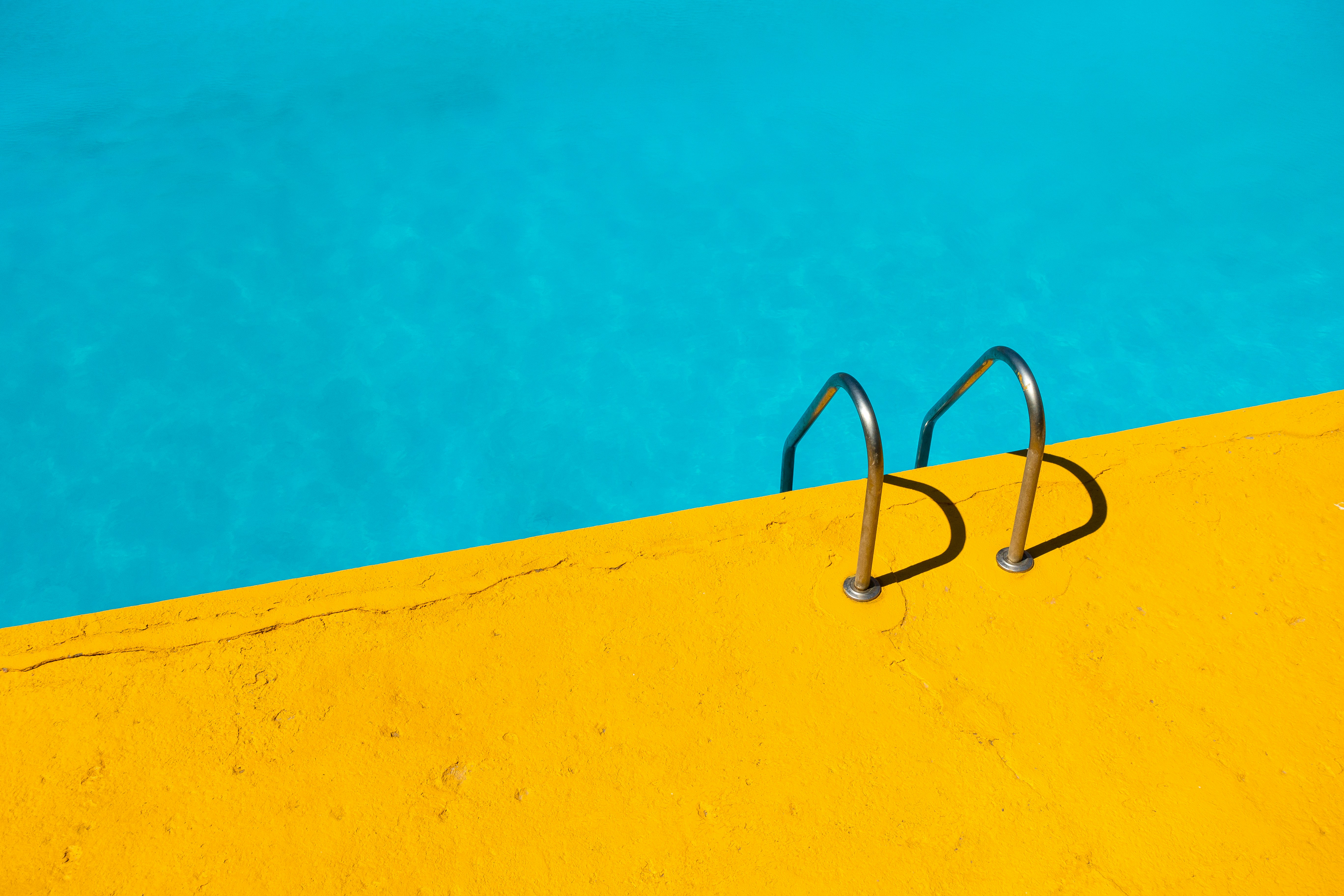
What works: Pure black against pure white. Neon against darkness. Colour blocking with zero transition.
Example:
Jacquemus Instagram (consistently high engagement):
Hot pink product on pure white background
Zero gradient, zero texture, zero subtlety
Your eye has nowhere to go except the product
That's not accident. That's understanding the medium.
2. Scale Disruption (Break Expectations)
What doesn't work: Everything sized appropriately. Balanced composition. Classical harmony.
What works: Make one element absurdly large. Crop aggressively. Show 10% of something instead of 100%.
Example:
Bottega Veneta's Instagram under Daniel Lee (2019-2021):
Extreme close-ups of leather texture
Product cropped so severely you barely recognise it
Scale so unexpected your brain stops to process
Your thumb stops when your brain needs extra processing time.
3. Negative Space Violence (Uncomfortable Emptiness)
What doesn't work: Filling the frame. "Making use of space." Horror vacui.
What works: Tiny element in vast emptiness. So much negative space it feels wrong.
Example:
The Row's campaigns:
Single product in centre
80% of frame is nothing
Feels incomplete, demands attention
Emptiness in a cluttered feed stands out more than busy design.
4. Collision Aesthetics (Things That Shouldn't Touch)
What doesn't work: Everything in its proper place. Organised hierarchy. Visual comfort.
What works: Typography overlapping photography. Textures colliding. Incompatible elements forced together.
Example:
Sporty & Rich:
Serif type crashes into sans serif
Vintage photography meets modern layouts
Should feel chaotic, instead feels magnetic
Discord creates cognitive friction. Friction stops scrolling.
The One-Blink Test
Here's how to know if your design works:
Show it to someone for 0.5 seconds. Literally count: "One Mississippi."
Then hide it. Ask:
What did you see?
What did you feel?
What was it about?
If they can't answer all three, your design failed.
Instagram doesn't give you time to build understanding. The design must be instant and complete.
What This Actually Means for Brand Design
Your brand guidelines need a separate section: "Feed Strategy."
Because what works in print doesn't work at thumb-speed.
Print brochure:
Subtle colour palette
Sophisticated typography
Detailed photography
Builds over 16 pages
Instagram version:
One brutal colour
Type so large it's uncomfortable
Single unexpected detail
Communicates in one frame
Same brand. Different medium demands different execution.
The Uncomfortable Truth
Sophisticated doesn't stop thumbs. Shock does.
Refined doesn't stop thumbs. Extreme does.
Beautiful doesn't stop thumbs. Unexpected does.
You can make sophisticated content once you've stopped the scroll.
But first, you have to win 0.3 seconds of attention.
High contrast. Extreme scale. Violent negative space. Collision aesthetics.
These aren't trends. They're survival mechanisms for hostile attention environments.
Your brand's soul still matters. But if nobody stops to see it, what's the point?
Stop the thumb first. Communicate the soul second.
In that order. Never reversed.
Research from Microsoft (2015) found average human attention span dropped to 8 seconds.
That research is a decade old. It's worse now.
Current reality: You have 0.3 seconds before the thumb keeps moving.
In that fraction of a second, your design either stops the scroll or dies in the feed.
No second chances. No "but if you look closely." No "the concept reveals itself over time."
You get three-tenths of one second. What you do with it determines everything.
What Actually Stops the Thumb
Let's be precise about what works.
1. Extreme Contrast (Visual Voltage)
What doesn't work: Subtle gradients. Muted earth tones. Gentle transitions. Beautiful in print. Invisible on phone screens in sunlight.
What works: Pure black against pure white. Neon against darkness. Colour blocking with zero transition.
Example:
Jacquemus Instagram (consistently high engagement):
Hot pink product on pure white background
Zero gradient, zero texture, zero subtlety
Your eye has nowhere to go except the product
That's not accident. That's understanding the medium.
2. Scale Disruption (Break Expectations)
What doesn't work: Everything sized appropriately. Balanced composition. Classical harmony.
What works: Make one element absurdly large. Crop aggressively. Show 10% of something instead of 100%.
Example:
Bottega Veneta's Instagram under Daniel Lee (2019-2021):
Extreme close-ups of leather texture
Product cropped so severely you barely recognise it
Scale so unexpected your brain stops to process
Your thumb stops when your brain needs extra processing time.
3. Negative Space Violence (Uncomfortable Emptiness)
What doesn't work: Filling the frame. "Making use of space." Horror vacui.
What works: Tiny element in vast emptiness. So much negative space it feels wrong.
Example:
The Row's campaigns:
Single product in centre
80% of frame is nothing
Feels incomplete, demands attention
Emptiness in a cluttered feed stands out more than busy design.
4. Collision Aesthetics (Things That Shouldn't Touch)
What doesn't work: Everything in its proper place. Organised hierarchy. Visual comfort.
What works: Typography overlapping photography. Textures colliding. Incompatible elements forced together.
Example:
Sporty & Rich:
Serif type crashes into sans serif
Vintage photography meets modern layouts
Should feel chaotic, instead feels magnetic
Discord creates cognitive friction. Friction stops scrolling.
The One-Blink Test
Here's how to know if your design works:
Show it to someone for 0.5 seconds. Literally count: "One Mississippi."
Then hide it. Ask:
What did you see?
What did you feel?
What was it about?
If they can't answer all three, your design failed.
Instagram doesn't give you time to build understanding. The design must be instant and complete.
What This Actually Means for Brand Design
Your brand guidelines need a separate section: "Feed Strategy."
Because what works in print doesn't work at thumb-speed.
Print brochure:
Subtle colour palette
Sophisticated typography
Detailed photography
Builds over 16 pages
Instagram version:
One brutal colour
Type so large it's uncomfortable
Single unexpected detail
Communicates in one frame
Same brand. Different medium demands different execution.
The Uncomfortable Truth
Sophisticated doesn't stop thumbs. Shock does.
Refined doesn't stop thumbs. Extreme does.
Beautiful doesn't stop thumbs. Unexpected does.
You can make sophisticated content once you've stopped the scroll.
But first, you have to win 0.3 seconds of attention.
High contrast. Extreme scale. Violent negative space. Collision aesthetics.
These aren't trends. They're survival mechanisms for hostile attention environments.
Your brand's soul still matters. But if nobody stops to see it, what's the point?
Stop the thumb first. Communicate the soul second.
In that order. Never reversed.