The Smallest Billboard Your Brand Will Ever Own
The Smallest Billboard Your Brand Will Ever Own
Why a sticker on a laptop says more than a banner ad ever will.
Why a sticker on a laptop says more than a banner ad ever will.
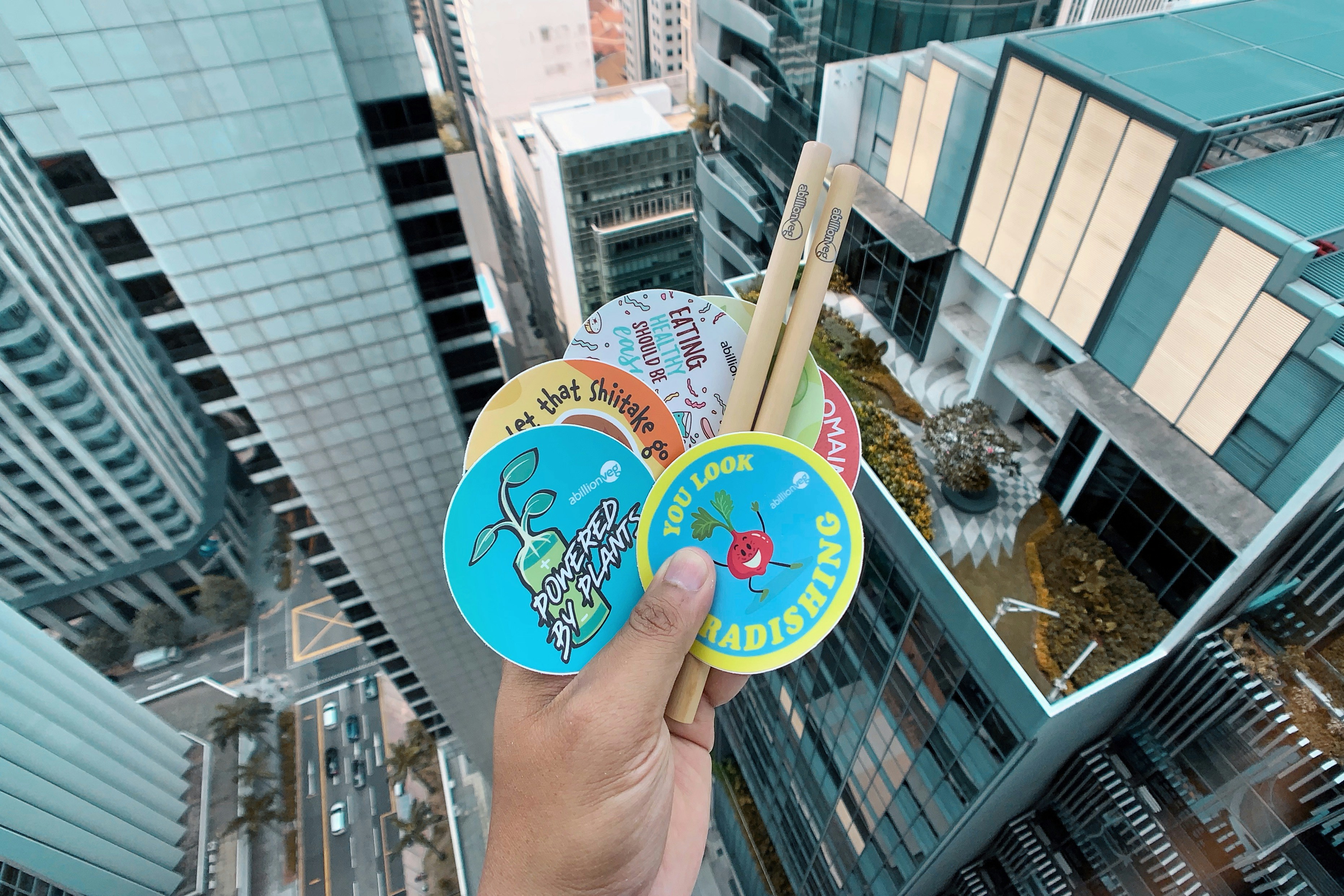
A brand spends thousands on a digital campaign. Targeting. Retargeting. Optimised creative. A/B tested headlines. It runs for thirty days and disappears.
A customer puts a sticker on their laptop. It stays there for three years.
The maths on that is not complicated.
What a Micro-Asset Actually Is.
Stickers. Enamel pins. Embroidered patches. Tote bags. Keyrings. The category is easy to dismiss as merchandise. That is a mistake.
These objects are not gifts. They are not afterthoughts. They are physical acts of brand adoption. When a customer attaches your brand to their body or their belongings, they are making a public statement that no media spend can manufacture.
The distinction matters because the trust signal is completely different.
A banner ad is a brand talking about itself. A sticker on someone's water bottle is a customer vouching for a brand in their own visual space, to every person who sees them, for as long as the object exists.
"Earned media is powerful. Worn media is something else entirely."
Why the Physical Cuts Through.
Digital brand touchpoints are experienced in a context saturated with other digital brand touchpoints. Every scroll, every page, every inbox is competing with thirty other things for the same attention.
A physical object occupies space nothing else is occupying.
The enamel pin on a jacket lapel at a conference. The patch on a bag in a coffee shop. The sticker on the back of a phone spotted across a meeting room.
No algorithm controls who sees it
No budget determines how long it runs
No platform can update its terms and make it disappear
It just exists. In the world. Moving through spaces your digital presence cannot reach.
The Brands Who Understood This Early.
Supreme built a cultural empire on sticker drops. Patagonia patches became shorthand for a value system. Pokémon turned physical collectibles into a loyalty mechanism so powerful it outlasted every digital competitor by decades.
None of this was accidental. Each understood that the customer who wears your brand has crossed a line the customer who follows you online has not.
Following is passive. Wearing is commitment.
What Makes a Micro-Asset Worth Keeping.
Not every sticker ends up on a laptop. Most end up in a drawer.
The ones that make it onto objects in the world share a few qualities. They are genuinely well designed. They reference something specific enough to feel like insider knowledge. They are the kind of thing someone would pick up even if they had never heard of the brand.
The test is simple: would a stranger ask where you got it?
If yes, the object is doing brand work on a loop that costs nothing to maintain.
If no, it is landfill with a logo on it.
A brand spends thousands on a digital campaign. Targeting. Retargeting. Optimised creative. A/B tested headlines. It runs for thirty days and disappears.
A customer puts a sticker on their laptop. It stays there for three years.
The maths on that is not complicated.
What a Micro-Asset Actually Is.
Stickers. Enamel pins. Embroidered patches. Tote bags. Keyrings. The category is easy to dismiss as merchandise. That is a mistake.
These objects are not gifts. They are not afterthoughts. They are physical acts of brand adoption. When a customer attaches your brand to their body or their belongings, they are making a public statement that no media spend can manufacture.
The distinction matters because the trust signal is completely different.
A banner ad is a brand talking about itself. A sticker on someone's water bottle is a customer vouching for a brand in their own visual space, to every person who sees them, for as long as the object exists.
"Earned media is powerful. Worn media is something else entirely."
Why the Physical Cuts Through.
Digital brand touchpoints are experienced in a context saturated with other digital brand touchpoints. Every scroll, every page, every inbox is competing with thirty other things for the same attention.
A physical object occupies space nothing else is occupying.
The enamel pin on a jacket lapel at a conference. The patch on a bag in a coffee shop. The sticker on the back of a phone spotted across a meeting room.
No algorithm controls who sees it
No budget determines how long it runs
No platform can update its terms and make it disappear
It just exists. In the world. Moving through spaces your digital presence cannot reach.
The Brands Who Understood This Early.
Supreme built a cultural empire on sticker drops. Patagonia patches became shorthand for a value system. Pokémon turned physical collectibles into a loyalty mechanism so powerful it outlasted every digital competitor by decades.
None of this was accidental. Each understood that the customer who wears your brand has crossed a line the customer who follows you online has not.
Following is passive. Wearing is commitment.
What Makes a Micro-Asset Worth Keeping.
Not every sticker ends up on a laptop. Most end up in a drawer.
The ones that make it onto objects in the world share a few qualities. They are genuinely well designed. They reference something specific enough to feel like insider knowledge. They are the kind of thing someone would pick up even if they had never heard of the brand.
The test is simple: would a stranger ask where you got it?
If yes, the object is doing brand work on a loop that costs nothing to maintain.
If no, it is landfill with a logo on it.