Why Luxury Logos Are Disappearing
Why Luxury Logos Are Disappearing
When your customers are this wealthy, screaming your name is gauche.
When your customers are this wealthy, screaming your name is gauche.
Walk through Knightsbridge. Then walk through DIFC.
Notice something?
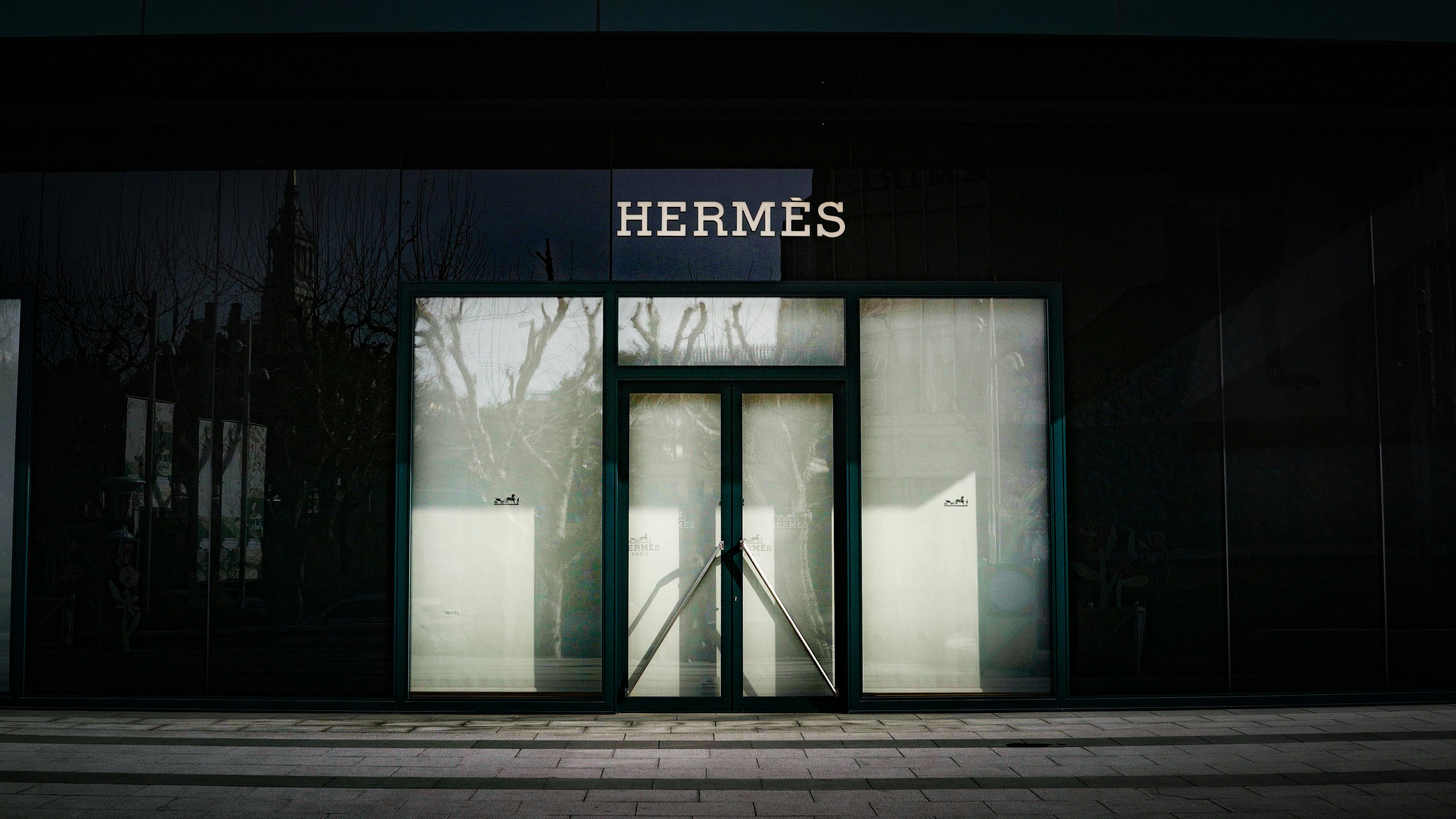
The most expensive boutiques have the smallest signs. Sometimes no signs at all. Just an address. A discreet door. A buzzer.
If you need a logo to know it's expensive, you can't afford it.
This is the silent brand movement. And it's rewriting every rule of luxury marketing.
What Changed (and Why)
For decades, luxury meant visible logos.
Louis Vuitton monograms. Gucci double-Gs. Chanel interlocking Cs. The logo was the product.
That worked when:
New money wanted to signal wealth
Social media rewarded flex culture
Counterfeits were easier to spot with obvious branding
Now?
Old money never liked loud logos. New money has matured past needing them. And genuine luxury consumers are actively avoiding anything that screams "look at me."
The Three Forces Killing Logo Culture
1. Wealth fatigue
When everyone has a logo bag, the logo stops meaning exclusive. It means accessible. And accessible isn't luxury.
2. The counterfeit problem
Logos get copied instantly. The more visible your branding, the more fakes flood the market. Soon, your logo signals "probably fake" more than "definitely real."
3. The rise of stealth wealth
Ultra-high-net-worth individuals (UHNW) don't want to be identified. Security. Privacy. Tax implications. Wearing a logo is literally a liability.
Result: The most expensive products now look the least expensive.
The IYKYK Aesthetic (4 Core Principles)
"If You Know, You Know" isn't a trend. It's a class marker.
Principle 1: Material Over Marking
The quality of the fabric, leather, metal, or construction is the signal. Not a logo.
Examples:
Loro Piana cashmere with no visible branding (£3,000 sweater)
Brunello Cucinelli suede jacket with tiny interior label only
The Row handbag identifiable only by proportions and stitching
The wealth signal: You recognise quality on sight, not by reading a label.
Principle 2: Restraint as Status
Minimalism isn't cheap. It's expensive to make something beautiful with nothing extra.
Examples:
Bottega Veneta's intrecciato weave (no logo, just technique)
Jil Sander's architectural cuts (design, not decoration)
Berluti's patina leather (craft, not branding)
The wealth signal: You paid for what's not there. Excess removed costs more than excess added.
Principle 3: Insider Knowledge Required
Products that require context to appreciate. If you don't know, you're not the customer.
Examples:
Hermès bag in specific leather and colour combination (only collectors recognise rarity)
Patek Philippe watch in steel not gold (enthusiasts know steel is harder to get)
Bespoke tailoring with no label (only visible to those who understand fit)
The wealth signal: Your knowledge, not the product's label, proves membership.
Principle 4: The Whisper Network
These brands don't advertise. They don't need to.
How you discover them:
Personal introduction from existing client
Word-of-mouth in UHNW circles
No website, or a website that tells you almost nothing
Appointment-only, no walk-ins
The wealth signal: Access itself is the luxury, not what you buy once inside.
Where This Shows Up Geographically
London and Dubai approach silent branding differently, but both markets are moving this direction.
London: Heritage Minimalism
British silent luxury looks like:
Traditional tailoring houses (Anderson & Sheppard, Huntsman) with subtle signage
Historic brands removing logos from product (Burberry's quiet luxury line)
Private member's clubs with no external branding whatsoever
The vibe: Centuries-old, doesn't need to prove anything, you either know or you don't.
Dubai: Modern Discretion
Gulf silent luxury looks like:
Private showrooms in residential buildings (no storefront)
Invitation-only trunk shows for jewellery and watches
Bespoke services with no public presence at all
The vibe: New money that's matured past flex culture, privacy as the ultimate status symbol.
3 Brands That Mastered Silent Luxury
The Row (Mary-Kate and Ashley Olsen)
What they did: Built an entire fashion house with essentially no branding.
No logos on garments
Minimal signage on stores
Neutral, monochrome aesthetic
Prices: £400 t-shirts, £3,000 coats
Why it works: The design is so distinctive, logos would actually cheapen it. The absence of branding is the brand.
Brunello Cucinelli
What they did: Created a luxury empire with the smallest logo possible.
Logo exists but is minuscule
Brand known for colour palette (soft neutrals) not symbols
Philosophy-driven marketing (humanism, craftsmanship) not product-pushing
Why it works: When your cashmere costs £2,000, people know it's expensive without a billboard telling them.
Byredo (Fragrance)
What they did: Minimalist packaging with tiny, understated labelling.
Bottles look like apothecary containers
Brand name in small sans-serif type
No decorative elements
Why it works: Fragrance enthusiasts recognise the aesthetic instantly. Everyone else just sees a simple bottle. That's the filter.
How to Design for Silent Wealth (The DARB Method)
When we build brands for UHNW audiences, we follow three rules:
Rule 1: Subtract Until It Hurts
Start with everything you think a brand needs. Logo. Colours. Patterns. Taglines.
Then remove 80% of it.
What's left should be so refined that adding anything would make it worse.
Rule 2: Make Knowledge the Barrier
Your brand shouldn't explain itself to everyone. It should only make sense to the people it's for.
Industry jargon that outsiders won't understand
References to experiences only UHNW individuals have
Design choices that require context to appreciate
The goal: Create a velvet rope made of comprehension.
Rule 3: Design the Access, Not Just the Product
The brand experience isn't what you sell. It's how people gain access to what you sell.
Application processes
Referral requirements
Limited availability (real, not artificial)
Personalisation that makes mass production impossible
The product is almost secondary to the experience of being allowed to buy it.
The Economics of Silence
Silent branding seems counterintuitive. Isn't marketing about visibility?
Not at this level.
Traditional luxury economics:
Spend £10M on advertising
Reach 10M people
Convert 0.1% = 10,000 customers
Average order value: £500
Revenue: £5M
ROI: Negative
Silent luxury economics:
Spend £1M on curation (private events, personal relationships, word-of-mouth)
Reach 10,000 qualified prospects
Convert 10% = 1,000 customers
Average order value: £5,000
Revenue: £5M
ROI: Highly positive, plus better customers who stay longer
The math works because you're not paying to reach everyone. You're paying to be known by the right people.
The Risks (Because Nothing's Perfect)
Silent branding doesn't work for:
❌ Brands that need volume (mass market requires mass awareness)
❌ New brands with no reputation (you need some visibility to build initial credibility)
❌ Products people discover through search (if no one knows your name, they can't Google you)
❌ Categories where trust requires transparency (healthcare, finance, etc.)
But for true luxury targeting UHNW? It's not just effective, it's expected.
The DARB Difference
We don't make brands quieter just because it's trendy.
We make them quiet when:
The target customer is genuinely UHNW (£5M+ net worth)
The product justifies the positioning (genuinely exceptional)
The client is committed to scarcity (willing to say no to sales)
We've designed identities where the logo is optional. Where the brand is recognisable by proportion, material, and context alone.
Because for the wealthiest 1%, the loudest statement is silence.
🤫
Building a brand for people who don't need to prove anything? Let's design the whisper that only the right people hear. Get in touch with DARB.
Walk through Knightsbridge. Then walk through DIFC.
Notice something?
The most expensive boutiques have the smallest signs. Sometimes no signs at all. Just an address. A discreet door. A buzzer.
If you need a logo to know it's expensive, you can't afford it.
This is the silent brand movement. And it's rewriting every rule of luxury marketing.
What Changed (and Why)
For decades, luxury meant visible logos.
Louis Vuitton monograms. Gucci double-Gs. Chanel interlocking Cs. The logo was the product.
That worked when:
New money wanted to signal wealth
Social media rewarded flex culture
Counterfeits were easier to spot with obvious branding
Now?
Old money never liked loud logos. New money has matured past needing them. And genuine luxury consumers are actively avoiding anything that screams "look at me."
The Three Forces Killing Logo Culture
1. Wealth fatigue
When everyone has a logo bag, the logo stops meaning exclusive. It means accessible. And accessible isn't luxury.
2. The counterfeit problem
Logos get copied instantly. The more visible your branding, the more fakes flood the market. Soon, your logo signals "probably fake" more than "definitely real."
3. The rise of stealth wealth
Ultra-high-net-worth individuals (UHNW) don't want to be identified. Security. Privacy. Tax implications. Wearing a logo is literally a liability.
Result: The most expensive products now look the least expensive.
The IYKYK Aesthetic (4 Core Principles)
"If You Know, You Know" isn't a trend. It's a class marker.
Principle 1: Material Over Marking
The quality of the fabric, leather, metal, or construction is the signal. Not a logo.
Examples:
Loro Piana cashmere with no visible branding (£3,000 sweater)
Brunello Cucinelli suede jacket with tiny interior label only
The Row handbag identifiable only by proportions and stitching
The wealth signal: You recognise quality on sight, not by reading a label.
Principle 2: Restraint as Status
Minimalism isn't cheap. It's expensive to make something beautiful with nothing extra.
Examples:
Bottega Veneta's intrecciato weave (no logo, just technique)
Jil Sander's architectural cuts (design, not decoration)
Berluti's patina leather (craft, not branding)
The wealth signal: You paid for what's not there. Excess removed costs more than excess added.
Principle 3: Insider Knowledge Required
Products that require context to appreciate. If you don't know, you're not the customer.
Examples:
Hermès bag in specific leather and colour combination (only collectors recognise rarity)
Patek Philippe watch in steel not gold (enthusiasts know steel is harder to get)
Bespoke tailoring with no label (only visible to those who understand fit)
The wealth signal: Your knowledge, not the product's label, proves membership.
Principle 4: The Whisper Network
These brands don't advertise. They don't need to.
How you discover them:
Personal introduction from existing client
Word-of-mouth in UHNW circles
No website, or a website that tells you almost nothing
Appointment-only, no walk-ins
The wealth signal: Access itself is the luxury, not what you buy once inside.
Where This Shows Up Geographically
London and Dubai approach silent branding differently, but both markets are moving this direction.
London: Heritage Minimalism
British silent luxury looks like:
Traditional tailoring houses (Anderson & Sheppard, Huntsman) with subtle signage
Historic brands removing logos from product (Burberry's quiet luxury line)
Private member's clubs with no external branding whatsoever
The vibe: Centuries-old, doesn't need to prove anything, you either know or you don't.
Dubai: Modern Discretion
Gulf silent luxury looks like:
Private showrooms in residential buildings (no storefront)
Invitation-only trunk shows for jewellery and watches
Bespoke services with no public presence at all
The vibe: New money that's matured past flex culture, privacy as the ultimate status symbol.
3 Brands That Mastered Silent Luxury
The Row (Mary-Kate and Ashley Olsen)
What they did: Built an entire fashion house with essentially no branding.
No logos on garments
Minimal signage on stores
Neutral, monochrome aesthetic
Prices: £400 t-shirts, £3,000 coats
Why it works: The design is so distinctive, logos would actually cheapen it. The absence of branding is the brand.
Brunello Cucinelli
What they did: Created a luxury empire with the smallest logo possible.
Logo exists but is minuscule
Brand known for colour palette (soft neutrals) not symbols
Philosophy-driven marketing (humanism, craftsmanship) not product-pushing
Why it works: When your cashmere costs £2,000, people know it's expensive without a billboard telling them.
Byredo (Fragrance)
What they did: Minimalist packaging with tiny, understated labelling.
Bottles look like apothecary containers
Brand name in small sans-serif type
No decorative elements
Why it works: Fragrance enthusiasts recognise the aesthetic instantly. Everyone else just sees a simple bottle. That's the filter.
How to Design for Silent Wealth (The DARB Method)
When we build brands for UHNW audiences, we follow three rules:
Rule 1: Subtract Until It Hurts
Start with everything you think a brand needs. Logo. Colours. Patterns. Taglines.
Then remove 80% of it.
What's left should be so refined that adding anything would make it worse.
Rule 2: Make Knowledge the Barrier
Your brand shouldn't explain itself to everyone. It should only make sense to the people it's for.
Industry jargon that outsiders won't understand
References to experiences only UHNW individuals have
Design choices that require context to appreciate
The goal: Create a velvet rope made of comprehension.
Rule 3: Design the Access, Not Just the Product
The brand experience isn't what you sell. It's how people gain access to what you sell.
Application processes
Referral requirements
Limited availability (real, not artificial)
Personalisation that makes mass production impossible
The product is almost secondary to the experience of being allowed to buy it.
The Economics of Silence
Silent branding seems counterintuitive. Isn't marketing about visibility?
Not at this level.
Traditional luxury economics:
Spend £10M on advertising
Reach 10M people
Convert 0.1% = 10,000 customers
Average order value: £500
Revenue: £5M
ROI: Negative
Silent luxury economics:
Spend £1M on curation (private events, personal relationships, word-of-mouth)
Reach 10,000 qualified prospects
Convert 10% = 1,000 customers
Average order value: £5,000
Revenue: £5M
ROI: Highly positive, plus better customers who stay longer
The math works because you're not paying to reach everyone. You're paying to be known by the right people.
The Risks (Because Nothing's Perfect)
Silent branding doesn't work for:
❌ Brands that need volume (mass market requires mass awareness)
❌ New brands with no reputation (you need some visibility to build initial credibility)
❌ Products people discover through search (if no one knows your name, they can't Google you)
❌ Categories where trust requires transparency (healthcare, finance, etc.)
But for true luxury targeting UHNW? It's not just effective, it's expected.
The DARB Difference
We don't make brands quieter just because it's trendy.
We make them quiet when:
The target customer is genuinely UHNW (£5M+ net worth)
The product justifies the positioning (genuinely exceptional)
The client is committed to scarcity (willing to say no to sales)
We've designed identities where the logo is optional. Where the brand is recognisable by proportion, material, and context alone.
Because for the wealthiest 1%, the loudest statement is silence.
🤫
Building a brand for people who don't need to prove anything? Let's design the whisper that only the right people hear. Get in touch with DARB.