Mastering the Light: London Grey vs. Dubai Gold
Mastering the Light: London Grey vs. Dubai Gold
Lighting isn't just technical. It's the most expensive ingredient in your brand's visual identity. And if you don't control it, it controls you.
Lighting isn't just technical. It's the most expensive ingredient in your brand's visual identity. And if you don't control it, it controls you.
Here's what separates amateur brand photography from work that actually builds equity.
It's not the camera. It's not the location. It's not even the subject.
It's the light. And how you use it.
Most brands don't think about this. They hire a photographer, get some images back, and wonder why the shots taken in London feel completely different from the ones taken in Dubai. Different mood. Different energy. Different brand.
That's not an accident. That's what happens when you let location dictate your visual identity instead of the other way round.
London Grey: The Editorial Advantage
Let's talk about London light first.
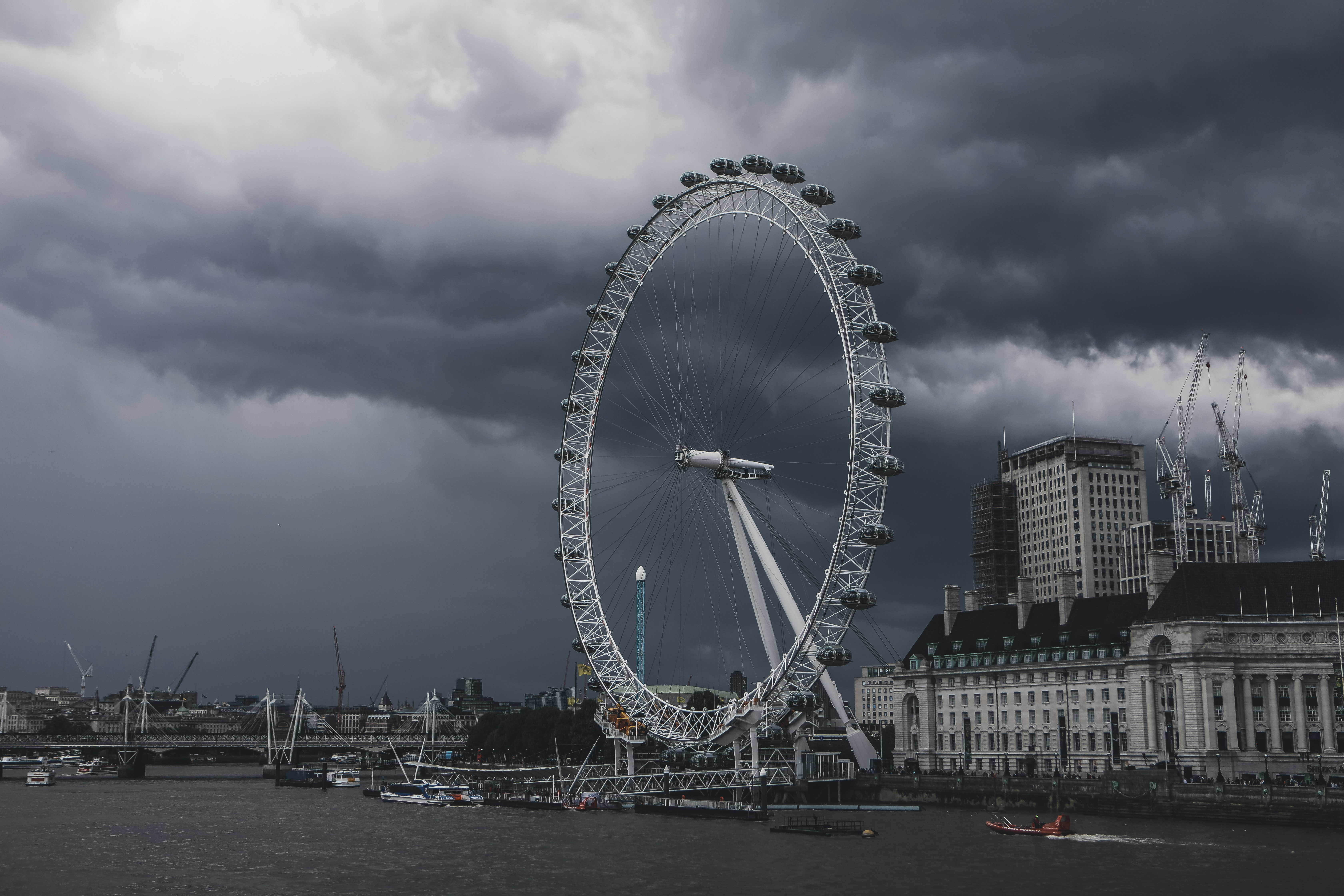
Soft. Diffused. Moody. Even on a "sunny" day, you're getting overcast skies that act like a giant natural softbox. The light wraps around your subject. Shadows are gentle. Contrast is low.
This is editorial gold.
It's the kind of light that makes skin look flawless without retouching. That lets you shoot in the middle of the day without harsh shadows. That gives you that cinematic, slightly melancholic quality you see in British fashion campaigns and high-end portraiture.
But here's the trap: it can also make everything look flat if you're not intentional.
This is where lens choice matters. In London, we lean on the 35mm. The storyteller lens. Wide enough to capture context, tight enough to keep intimacy. It lets us use the environment, the architecture, the weather, without losing the subject.
And because the light is so forgiving, we can shoot wide open, f/1.4 or f/1.8, and get that shallow depth of field that separates the subject from the background. The grey becomes texture, not distraction.
The mood we're building here is thoughtful. Understated. Refined. Very British.
Dubai Gold: The Architectural Challenge
Now let's talk about Dubai.
The light here is unforgiving. Midday sun is brutal. High contrast. Deep shadows. If you're shooting between 11am and 4pm, you're fighting the light, not using it.
But golden hour? That's where Dubai becomes magic.
The sun sits low on the horizon. The light is warm, directional, dramatic. It bounces off glass towers, creates long shadows, and turns the city into a high-contrast architectural dream.
This is where the 85mm shines. The glamour lens.
Tighter framing. More compression. It isolates the subject from the background and makes everything feel elevated. In a city built on scale and ambition, the 85mm captures that energy without losing intimacy.
We shoot tighter because the light is doing more of the work. That warm glow doesn't need wide context. It needs precision. We're not telling a story with environment here, we're making a statement with presence.
The mood we're building is bold. Confident. Aspirational. Very Gulf.
The Consistency Problem (and How We Solve It)
Here's the challenge every global brand faces.
Your brand can't look moody and editorial in London, then bright and dramatic in Dubai, and still feel like the same brand. The audience doesn't care where the photo was taken. They care that it feels consistent.
So how do you shoot in two completely different light environments and maintain visual coherence?
You set rules.
We define a brand's visual language before we ever pick up a camera. What's the mood? What's the colour grade? What's the depth of field? What's the framing style?
Then we adapt the execution to the location, not the other way round.
If the brand language is warm and intimate, we might shoot London at golden hour or use artificial warmth in post. If the brand language is cool and architectural, we might shoot Dubai earlier in the day or cool down the colour temperature.
The lens choice reinforces this. A 35mm in both cities keeps the perspective consistent. An 85mm in both cities keeps the intimacy consistent. The light changes, but the visual grammar doesn't.
Why Lighting is the Most Expensive Ingredient
Here's what most people don't realise.
You can shoot with a £500 camera or a £5,000 camera. The difference matters, but not as much as you think.
But the difference between good light and bad light? That's the difference between a brand that looks premium and one that looks rushed.
Lighting is expensive because it requires time, patience, and skill. You can't fake it. You can't rush it. You either wait for the right light, or you create it. And both cost money.
This is why we scout locations at different times of day. Why we plan shoots around golden hour. Why we bring lighting equipment even when we're shooting "natural light." Because controlling the light means controlling the brand.
The DARB Edge
We don't just take photos. We build visual systems that work everywhere.
Whether we're shooting in the soft grey of a London afternoon or the golden blaze of a Dubai evening, the brand feels consistent because we've designed it to be.
Same lenses. Same framing. Same mood. Different light, same identity.
Because your brand isn't defined by where you are. It's defined by how you show up. And we make sure you show up the same way, every time.
Need visuals that feel consistent across continents? Let's talk about how we control the light. Get in touch with DARB.
Here's what separates amateur brand photography from work that actually builds equity.
It's not the camera. It's not the location. It's not even the subject.
It's the light. And how you use it.
Most brands don't think about this. They hire a photographer, get some images back, and wonder why the shots taken in London feel completely different from the ones taken in Dubai. Different mood. Different energy. Different brand.
That's not an accident. That's what happens when you let location dictate your visual identity instead of the other way round.
London Grey: The Editorial Advantage
Let's talk about London light first.
Soft. Diffused. Moody. Even on a "sunny" day, you're getting overcast skies that act like a giant natural softbox. The light wraps around your subject. Shadows are gentle. Contrast is low.
This is editorial gold.
It's the kind of light that makes skin look flawless without retouching. That lets you shoot in the middle of the day without harsh shadows. That gives you that cinematic, slightly melancholic quality you see in British fashion campaigns and high-end portraiture.
But here's the trap: it can also make everything look flat if you're not intentional.
This is where lens choice matters. In London, we lean on the 35mm. The storyteller lens. Wide enough to capture context, tight enough to keep intimacy. It lets us use the environment, the architecture, the weather, without losing the subject.
And because the light is so forgiving, we can shoot wide open, f/1.4 or f/1.8, and get that shallow depth of field that separates the subject from the background. The grey becomes texture, not distraction.
The mood we're building here is thoughtful. Understated. Refined. Very British.
Dubai Gold: The Architectural Challenge
Now let's talk about Dubai.
The light here is unforgiving. Midday sun is brutal. High contrast. Deep shadows. If you're shooting between 11am and 4pm, you're fighting the light, not using it.
But golden hour? That's where Dubai becomes magic.
The sun sits low on the horizon. The light is warm, directional, dramatic. It bounces off glass towers, creates long shadows, and turns the city into a high-contrast architectural dream.
This is where the 85mm shines. The glamour lens.
Tighter framing. More compression. It isolates the subject from the background and makes everything feel elevated. In a city built on scale and ambition, the 85mm captures that energy without losing intimacy.
We shoot tighter because the light is doing more of the work. That warm glow doesn't need wide context. It needs precision. We're not telling a story with environment here, we're making a statement with presence.
The mood we're building is bold. Confident. Aspirational. Very Gulf.
The Consistency Problem (and How We Solve It)
Here's the challenge every global brand faces.
Your brand can't look moody and editorial in London, then bright and dramatic in Dubai, and still feel like the same brand. The audience doesn't care where the photo was taken. They care that it feels consistent.
So how do you shoot in two completely different light environments and maintain visual coherence?
You set rules.
We define a brand's visual language before we ever pick up a camera. What's the mood? What's the colour grade? What's the depth of field? What's the framing style?
Then we adapt the execution to the location, not the other way round.
If the brand language is warm and intimate, we might shoot London at golden hour or use artificial warmth in post. If the brand language is cool and architectural, we might shoot Dubai earlier in the day or cool down the colour temperature.
The lens choice reinforces this. A 35mm in both cities keeps the perspective consistent. An 85mm in both cities keeps the intimacy consistent. The light changes, but the visual grammar doesn't.
Why Lighting is the Most Expensive Ingredient
Here's what most people don't realise.
You can shoot with a £500 camera or a £5,000 camera. The difference matters, but not as much as you think.
But the difference between good light and bad light? That's the difference between a brand that looks premium and one that looks rushed.
Lighting is expensive because it requires time, patience, and skill. You can't fake it. You can't rush it. You either wait for the right light, or you create it. And both cost money.
This is why we scout locations at different times of day. Why we plan shoots around golden hour. Why we bring lighting equipment even when we're shooting "natural light." Because controlling the light means controlling the brand.
The DARB Edge
We don't just take photos. We build visual systems that work everywhere.
Whether we're shooting in the soft grey of a London afternoon or the golden blaze of a Dubai evening, the brand feels consistent because we've designed it to be.
Same lenses. Same framing. Same mood. Different light, same identity.
Because your brand isn't defined by where you are. It's defined by how you show up. And we make sure you show up the same way, every time.
Need visuals that feel consistent across continents? Let's talk about how we control the light. Get in touch with DARB.